archived / Modder, 3D art, technical implementation, audio, community publishing, documentation, support
Ravenfield modding
A broader archived note about my years as Lordaloa in the Ravenfield modding scene, the toolchains I used, and where that experience led next.
Ravenfield modding is the larger story behind several of my older portfolio projects. As Lordaloa, I spent years making public content for Ravenfield: weapons, skins, vehicles, maps, mutators, collections, experiments, revamps, and community-facing releases.
This page is more of a career note than a single project writeup. It ties together the work around Warhammer 40K, Reclamation Eden, individual Workshop experiments, public videos, Sketchfab models, and the habits I carried forward into more professional engineering work.
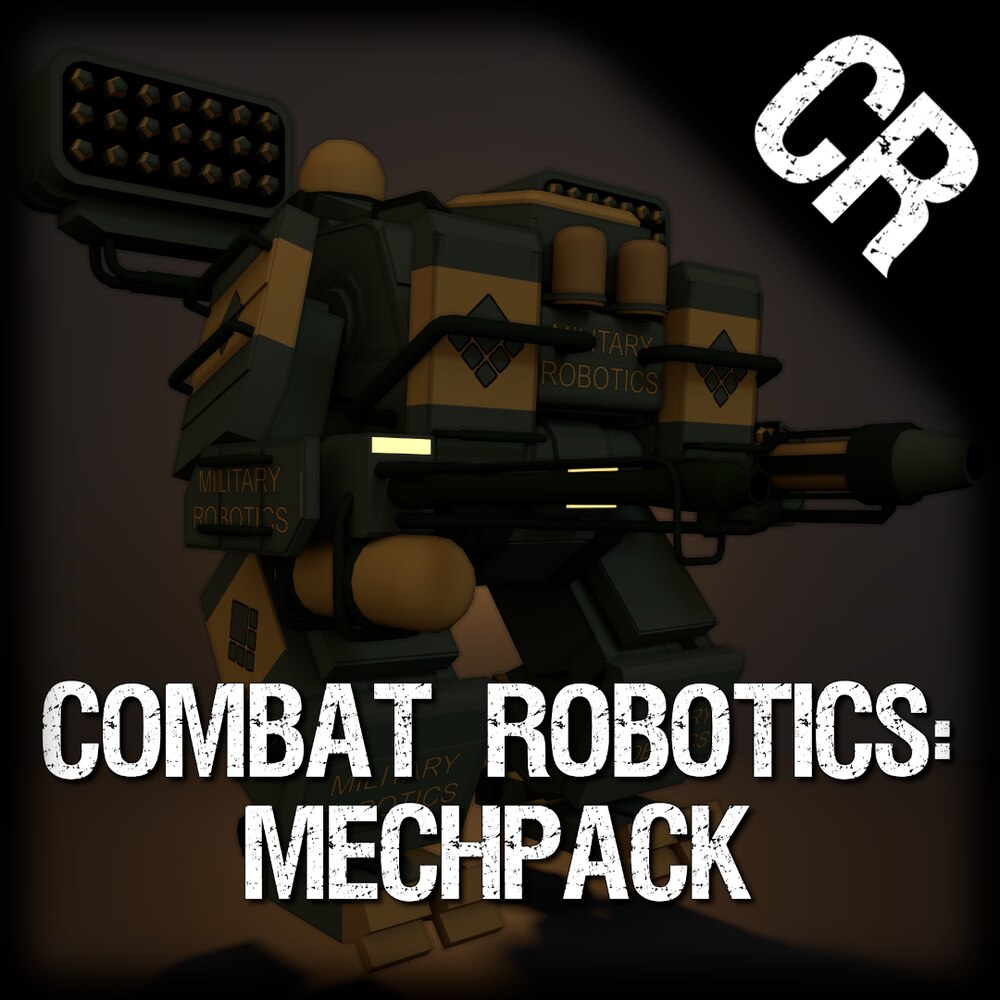
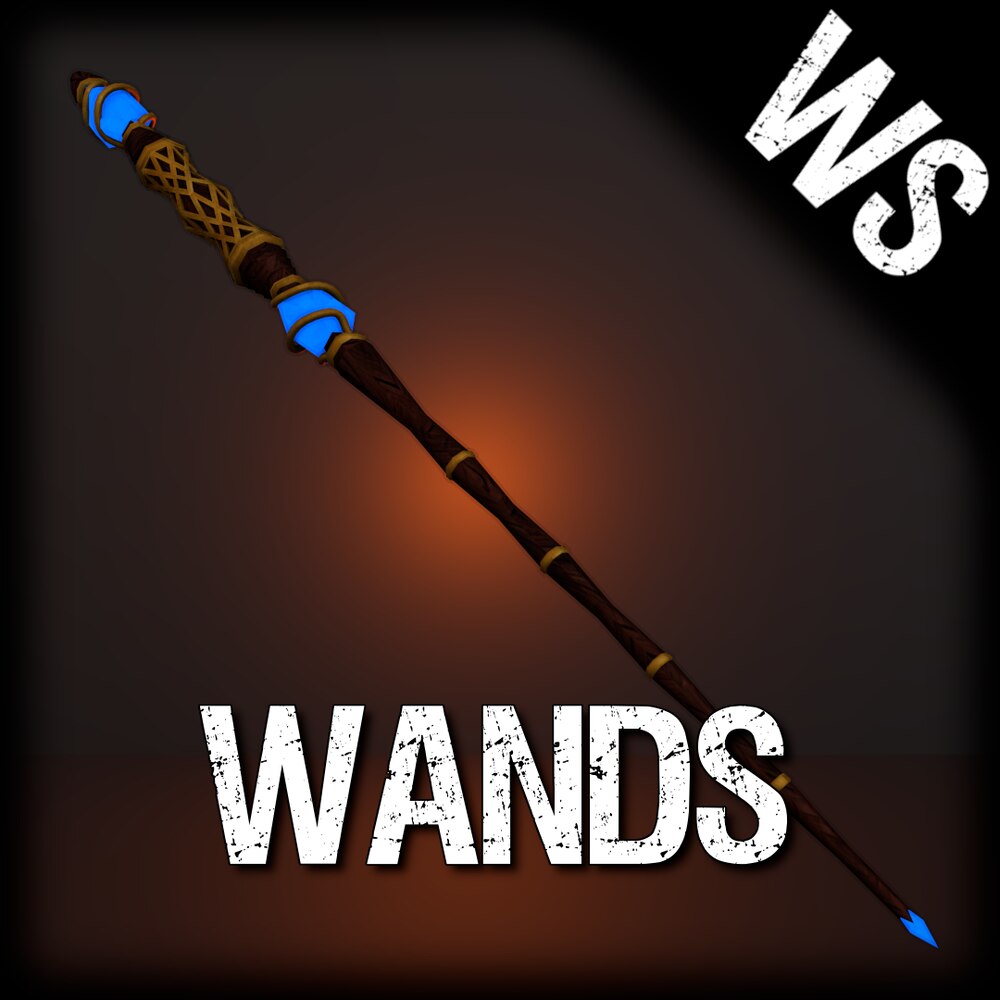
The visible Workshop history shows the scale: close to two hundred Ravenfield entries under the Lordaloa name, spread across maps, weapons, vehicles, mutators, game configurations, and skins. That volume came from curiosity, but it also became a serious learning environment.
Project goal
At first, the goal was simple: make things for Ravenfield and share them. The game was a good modding target because it made custom content visible quickly. If a weapon, vehicle, skin, or map worked, it could be tested in a chaotic bot battle and published to Steam Workshop for real players.
Over time, the goal changed. I started using Ravenfield as a production sandbox:
- make art assets and get them into a playable game,
- learn how public Workshop releases behave once other people use them,
- build collections and fictional settings instead of isolated uploads,
- test scripted behavior and unusual mechanics,
- and understand what kind of technical work I actually wanted to keep doing.
That last point became important. Ravenfield modding helped me see that I liked the full pipeline: asset creation, tooling, implementation, debugging, publishing, documentation, and infrastructure around the work.
Direction and design choices
Learning in public
Steam Workshop made the work public immediately. That changed how I learned. A broken mod did not stay private. Players commented, asked for fixes, requested features, reported bugs, and used the content in combinations I would not have tested myself.
That was uncomfortable at times, but useful. I learned to write clearer descriptions, link collections, separate legacy content, mark limitations, and treat feedback as part of the release loop instead of something that happened after the work was done.
Building connected worlds
The 40K work taught me about scale through an existing universe. Reclamation Eden taught me something different: original worldbuilding needs internal rules. Factions, vehicles, weapons, maps, sounds, names, and silhouettes all had to feel like they belonged to the same setting.
That was the part of Ravenfield modding that had the most lasting influence on me. I stopped thinking about assets as separate files and started thinking about systems: what role does this object play, what does it communicate, how does it behave, how does it get shipped, and what does it cost to maintain?
Moving toward professional focus
The same experience also showed me the limits of hobby scope. A large public modding identity can become a maintenance burden. Every ambitious release brings support, compatibility questions, source-file risk, version drift, and community expectation.
That is why I eventually shifted focus. I used the experience to become more deliberate about my professional career, game development interests, and homelabbing. Ravenfield gave me a practical foundation: I had already shipped work, supported users, debugged tooling, managed assets, and learned what happens when experiments become public systems.
What I created
My Ravenfield work covered a wide surface area:
- weapons, from compact packs to faction-themed arsenals and later revamp releases,
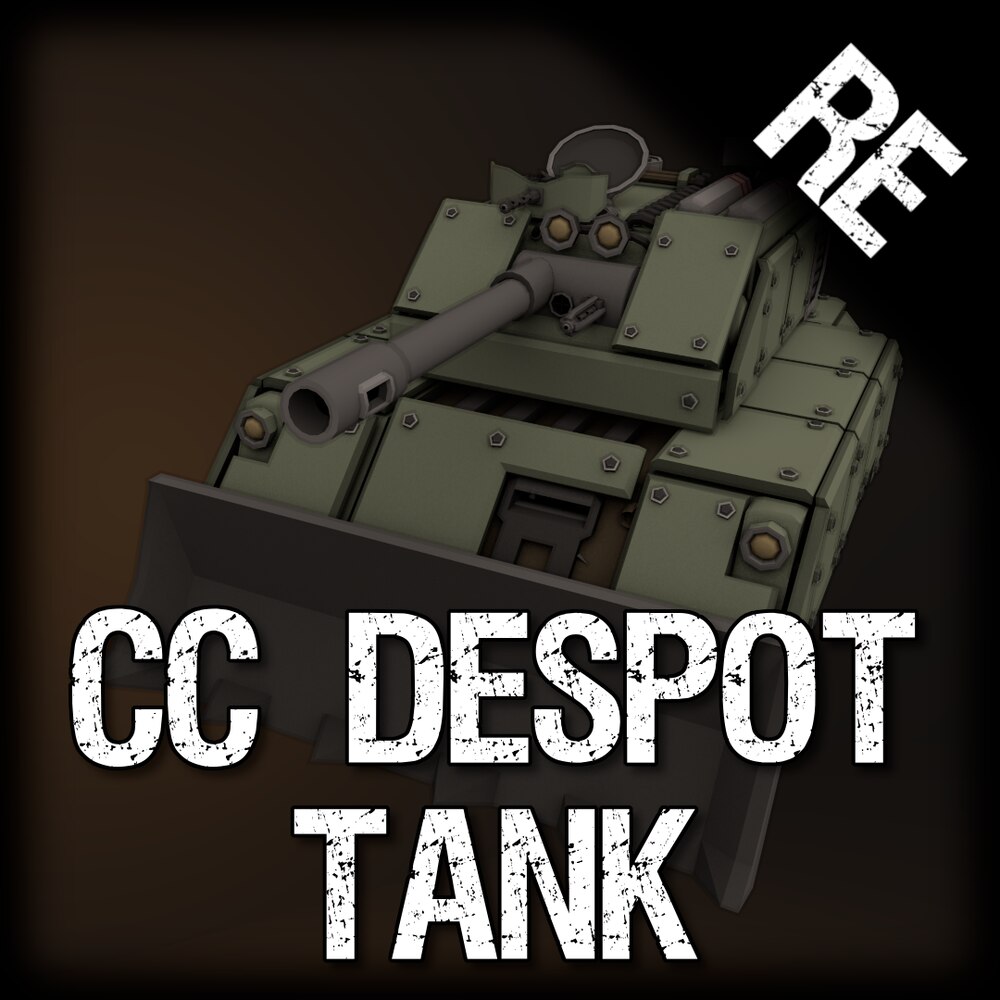
- vehicles, including trucks, aircraft, tanks, mechs, large walkers, and interior-heavy set pieces,
- skins and multiskin experiments for factions and character variants,
- maps and locations built around playable conflict rather than only scenery,
- mutators and scripted behavior for custom mechanics,
- Workshop collections that grouped related work and helped players install the right pieces,
- videos, screenshots, Sketchfab uploads, Discord support, and public release notes.
The work was not one clean line. Some items were polished releases. Others were tests, experiments, commissions, collaborations, or legacy uploads. Together they formed a practical education in shipping interactive work.
Technical notes
The core toolchain was consistent across most of the work. Blender carried modeling and asset preparation. Gimp handled texture work. Audacity helped with sound edits. Unity 2020 and the Ravenfield Tools Pack turned the assets into playable content. RavenScript and custom behavior extended what the game could do when normal configuration was not enough.
Steam Workshop was the release platform. YouTube helped show progress and releases. Sketchfab made some models inspectable outside the game. Discord handled community discussion, feedback, and coordination.
The practical lessons were not only about game content. Ravenfield taught me habits that map directly to engineering work:
- keep source files organized because losing them turns maintenance into archaeology,
- document limitations because players will find every edge case,
- keep scope honest because public work creates expectations,
- test in real conditions because a content pack behaves differently once it is mixed with other people’s mods,
- and separate active work from archived work before the archive becomes confusing.
Media
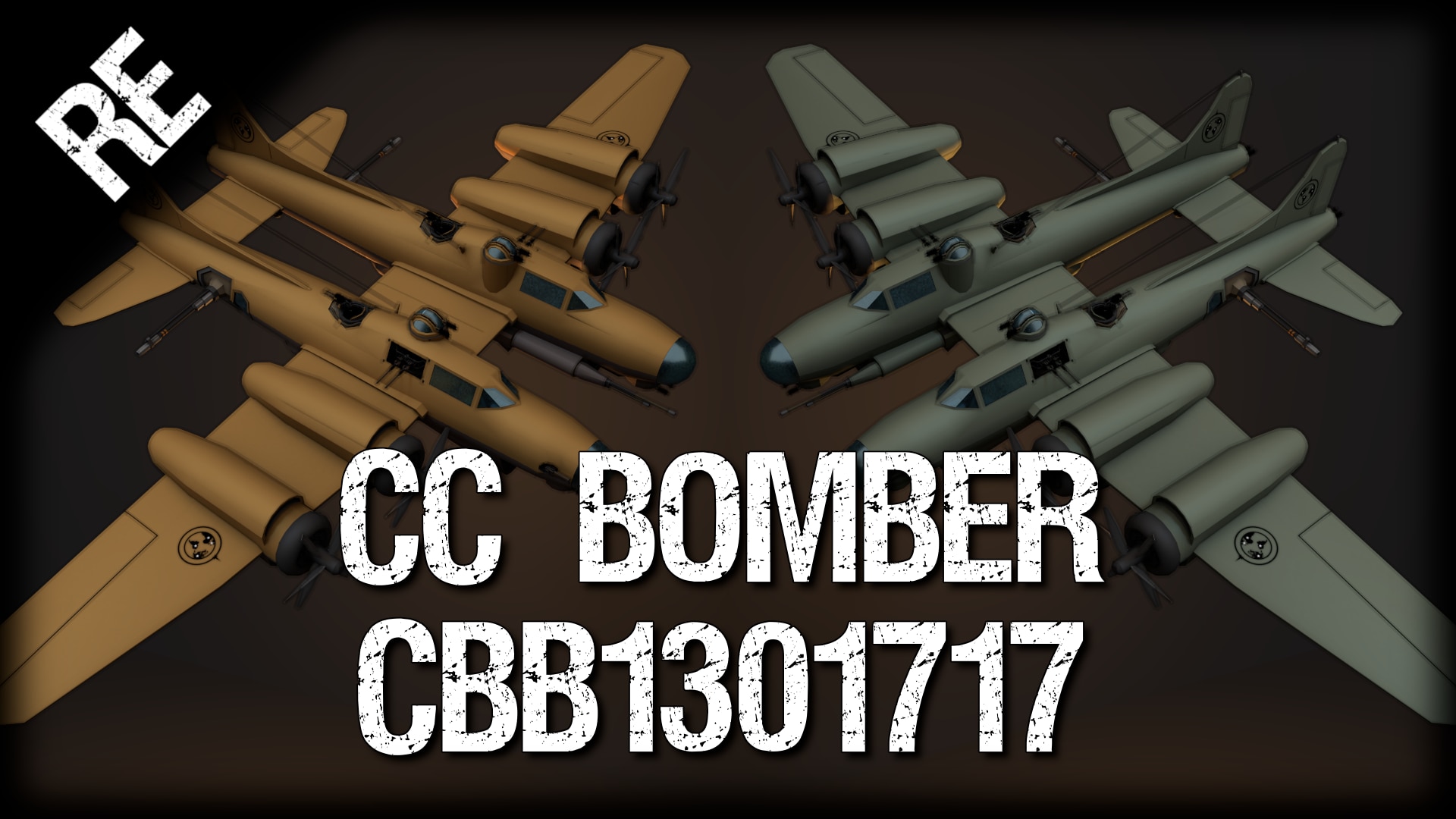
The CC Bomber is a good example of where the modding work became more than a model. It combined faction identity, scale, interior work, weapon setup, audio, release media, and Workshop support.
The Dreadnought shows the same pattern from another angle: large asset, heavy implementation, faction role, and enough technical surface area to make maintenance a real part of the design.
Outcome
This chapter is now archived. I do not see my Ravenfield years as unfinished work so much as a completed training ground. They gave me a place to practice game development, public release discipline, community support, content pipelines, scripting, asset management, and technical communication.
The direction after Ravenfield was more focused: professional engineering first, with game development and homelabbing as areas where the same skills still matter. The modding work taught me how to move from enthusiasm to systems, and from systems to maintainable work.