archived / Primary modder, design, 3D art, audio, Unity implementation, Workshop publishing, Community support
Ravenfield modding: Reclamation Eden
A Ravenfield modding project about original sci-fi factions, vehicles, weapons, maps, prototypes, and community-driven Workshop releases.
Reclamation Eden was my long-running Ravenfield modding project and the clearest expression of what I wanted to build inside that game: not just isolated weapons or vehicles, but a playable sci-fi setting with its own factions, silhouettes, maps, equipment lines, and release rhythm.
As Lordaloa, I built and maintained the project as primary modder. The work moved through Blender, Gimp, Audacity, Unity, the Ravenfield mod tools, Steam Workshop, Sketchfab, YouTube, and Discord. Some releases were polished content packs, while others were prototypes used to test a mechanic, a faction idea, or a production workflow in public.
The setting is built around the reclamation of Earth in HT-year 12280. Steam Workshop descriptions frame that event as a conflict between three forces: the Continental Conglomerate, the Principality of Sol, and the Sovereign Republic of Atlantis. That structure gave the project a useful constraint: every asset had to belong somewhere.
Project goal
The goal was to turn Ravenfield modding into a worldbuilding and systems laboratory. I wanted Reclamation Eden to feel like a collection of related military hardware, not a folder of unrelated uploads. A rifle, soldier, truck, turret, map, or aircraft had to communicate faction identity before the player read a description.
That shaped the practical work:
- faction kits with recurring visual rules, color decisions, silhouettes, and naming patterns,
- vehicles and weapons designed around battlefield roles instead of just visual novelty,
- maps that supported the fiction of contested locations on a reclaimed Earth,
- and public Workshop releases that let me learn from player feedback, compatibility issues, and real gameplay behavior.
The CC Assault Rifle N1 is a compact example of that approach. It was not only a weapon model; it was part of a larger Continental Conglomerate line that needed to feel like it belonged next to CC soldiers, trucks, turrets, and aircraft.
Direction and design choices
Factions before individual assets
Reclamation Eden worked because the factions gave every release a role. The Continental Conglomerate leaned into heavy, industrial, practical military design. The Principality of Sol and Sovereign Republic of Atlantis created space for different shapes, technologies, and battlefield assumptions.
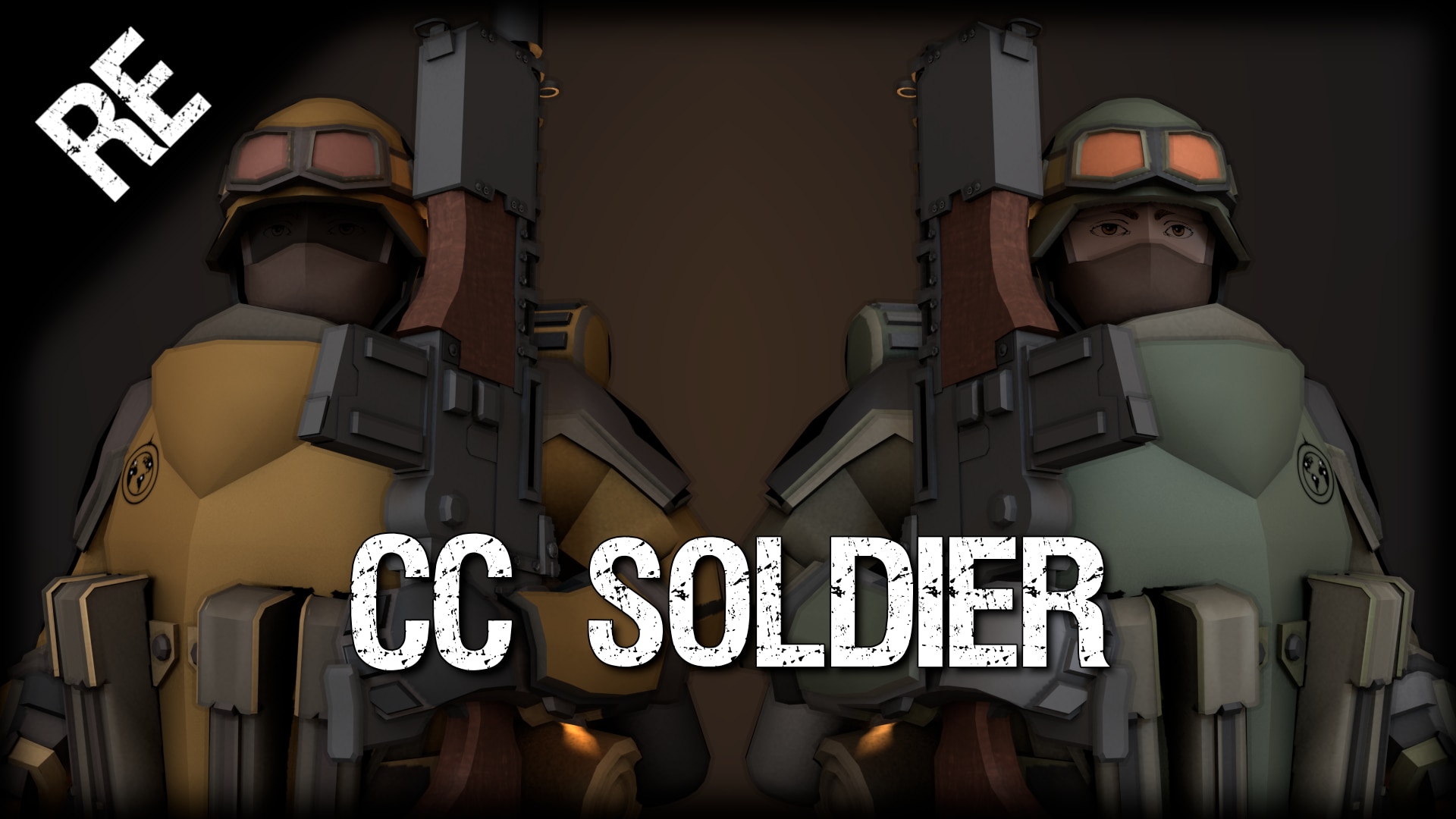
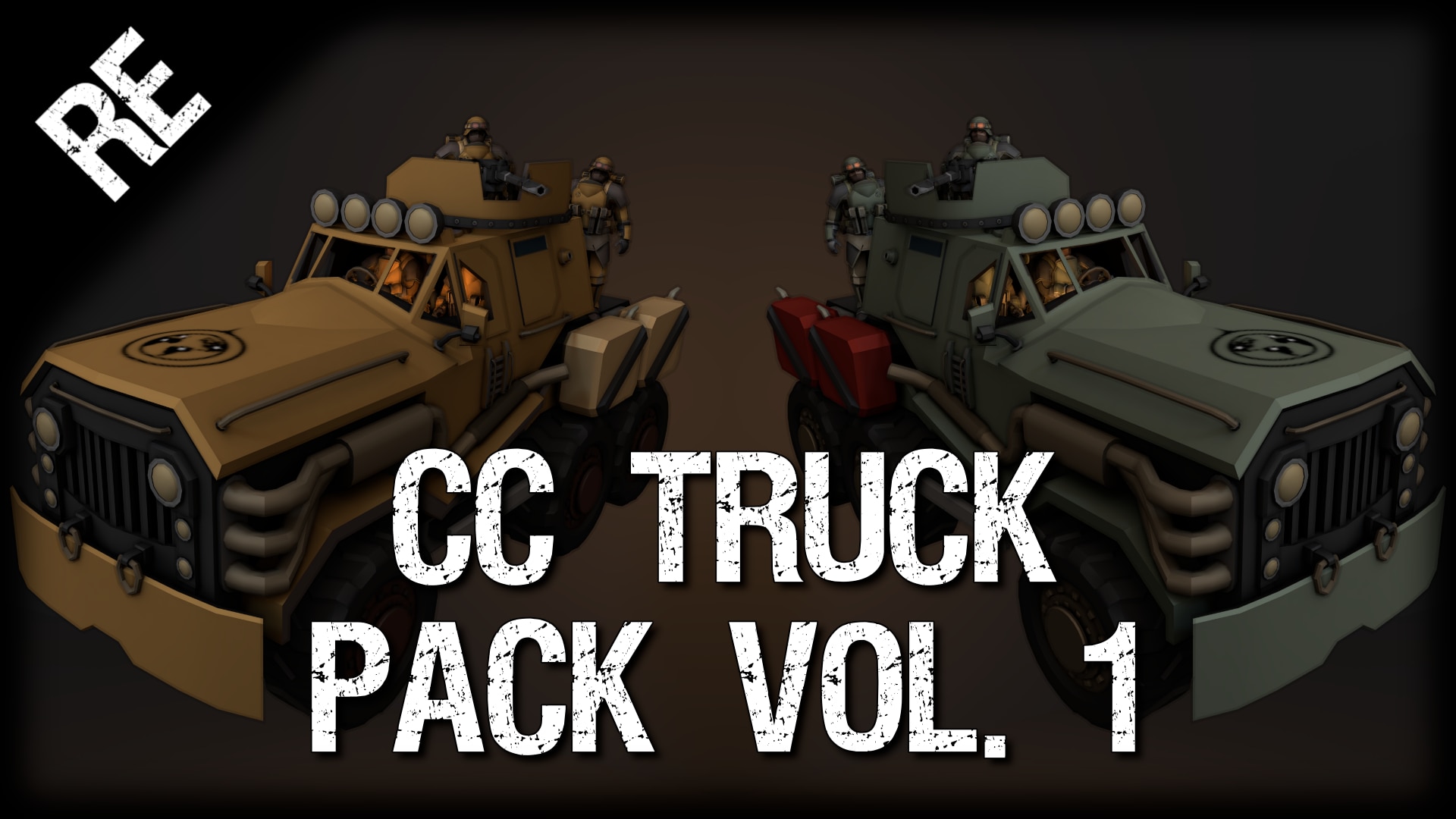
That meant I could treat a Workshop item as one part of a larger force. CC Soldier established the infantry baseline. CC Truck Pack Vol. 1 added logistics and rapid deployment. Turret packs extended the defensive layer. Aircraft and heavy vehicles pushed the scale further. The goal was consistency: if a player mixed several RE mods in one match, the lineup should still feel intentional.
Readability in Ravenfield combat
Ravenfield battles are busy. Bots move quickly, vehicles cross sightlines, ragdolls and explosions create visual noise, and players often identify threats from a distance. Because of that, readable silhouettes mattered more than small surface detail.
I used exaggerated outlines, clear weapon mounts, large faction shapes, and simple visual hierarchies so an asset could be understood during play. The result was not pure realism. It was game-readable sci-fi that still carried enough fictional logic to feel grounded inside its own setting.
Scale as a design tool
The CC Bomber CBB-1301717 became one of the strongest examples of Reclamation Eden’s ambition. On Steam Workshop it is presented as a massive bomber/gunship inspired by relic aircraft such as the B-17 and AC-130, armed with many mounted weapons and 48 unguided high explosive bombs. The fully modeled interior was included for immersion, even though it increased production and maintenance cost.
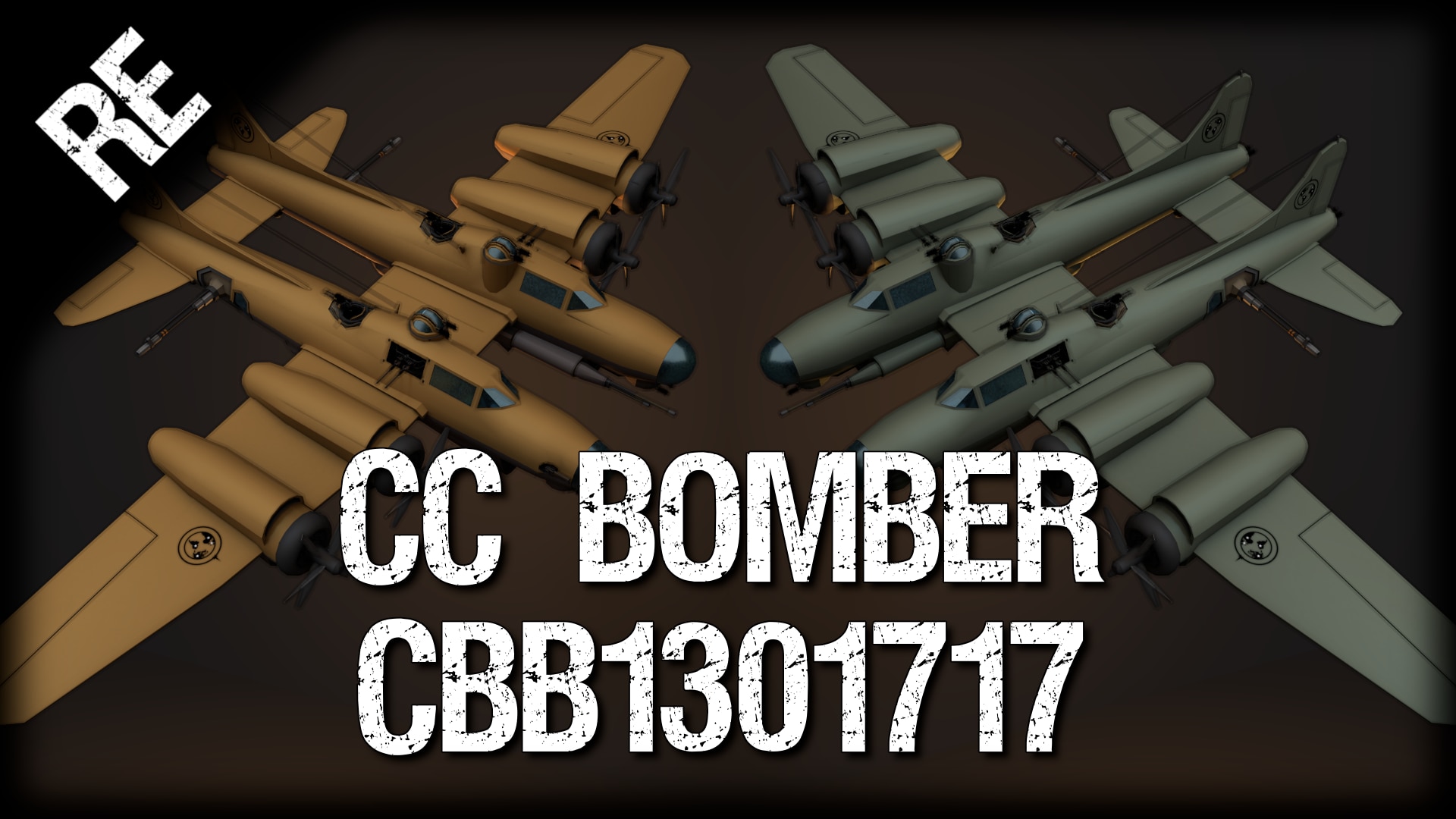
That kind of asset captured the project at its best: oversized, specific, mechanically useful, and tied to faction identity. It also showed the risk of the project. The more complete the assets became, the more work each update, compatibility pass, and bug report required.
What I created
Across Reclamation Eden I created and released a broad set of Ravenfield content:
- infantry and faction skins, including CC Soldier, POS Solar Guard, SROA Combat Unit, and CC Reservists,
- rifles, handguns, grenade launchers, missile launchers, melee weapons, and faction weapon variants,
- CC truck packs, turret packs, aircraft, dreadnought-scale vehicles, and other heavy set pieces,
- maps such as Desert Village, The Canyon, and Sector-136,
- public WIP and release videos for weapons, vehicles, maps, and gameplay tests,
- and prototypes around procedural skins, execution-related mechanics, mutators, weakspots, interiors, sounds, and vehicle behavior.
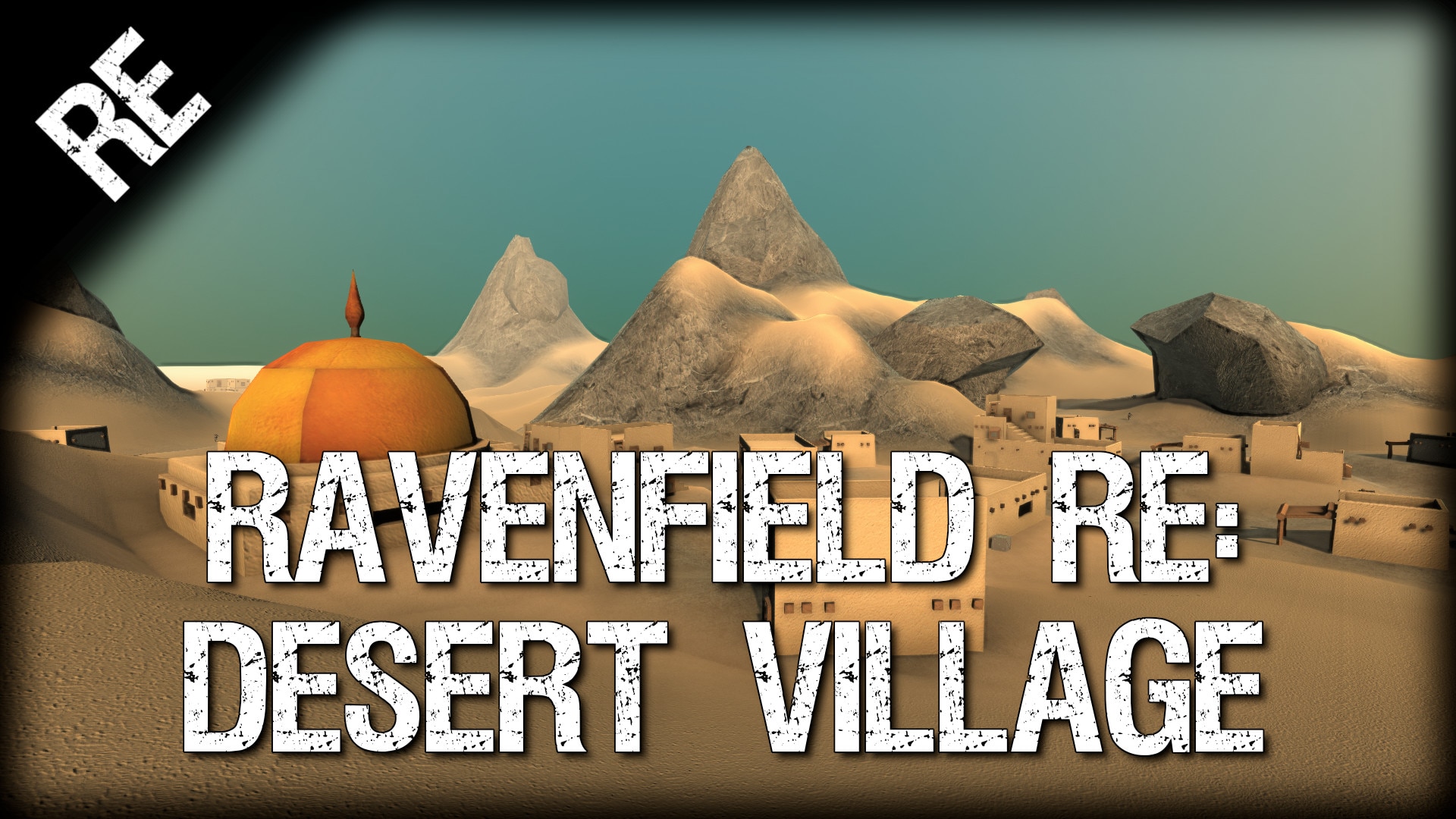
Desert Village is a useful map example because its Workshop description treats the environment as part of the fiction: a small abandoned location in a hostile desert, useful as an outpost or intelligence point because of its shaded mountainous terrain. That was the design pattern I wanted: maps should create a reason for conflict, not only provide capture points.
Technical notes
The production loop combined art, implementation, audio, testing, publishing, and community handling.
Blender carried the 3D modeling. Gimp handled texture work. Audacity supported sound edits. Unity 2020 and the Ravenfield modding workflow turned those assets into playable content. Steam Workshop was both the release platform and the feedback loop. Discord helped with community buildup, discussion, and keeping people around the project while it was active.
Some releases were built as complete content drops. Others were deliberately experimental. The execution-related work, CC Reservists procedural skin direction, vehicle interiors, weapon weakspots, and large multi-seat vehicles all helped me test how far I could push Ravenfield while still making something players could use.
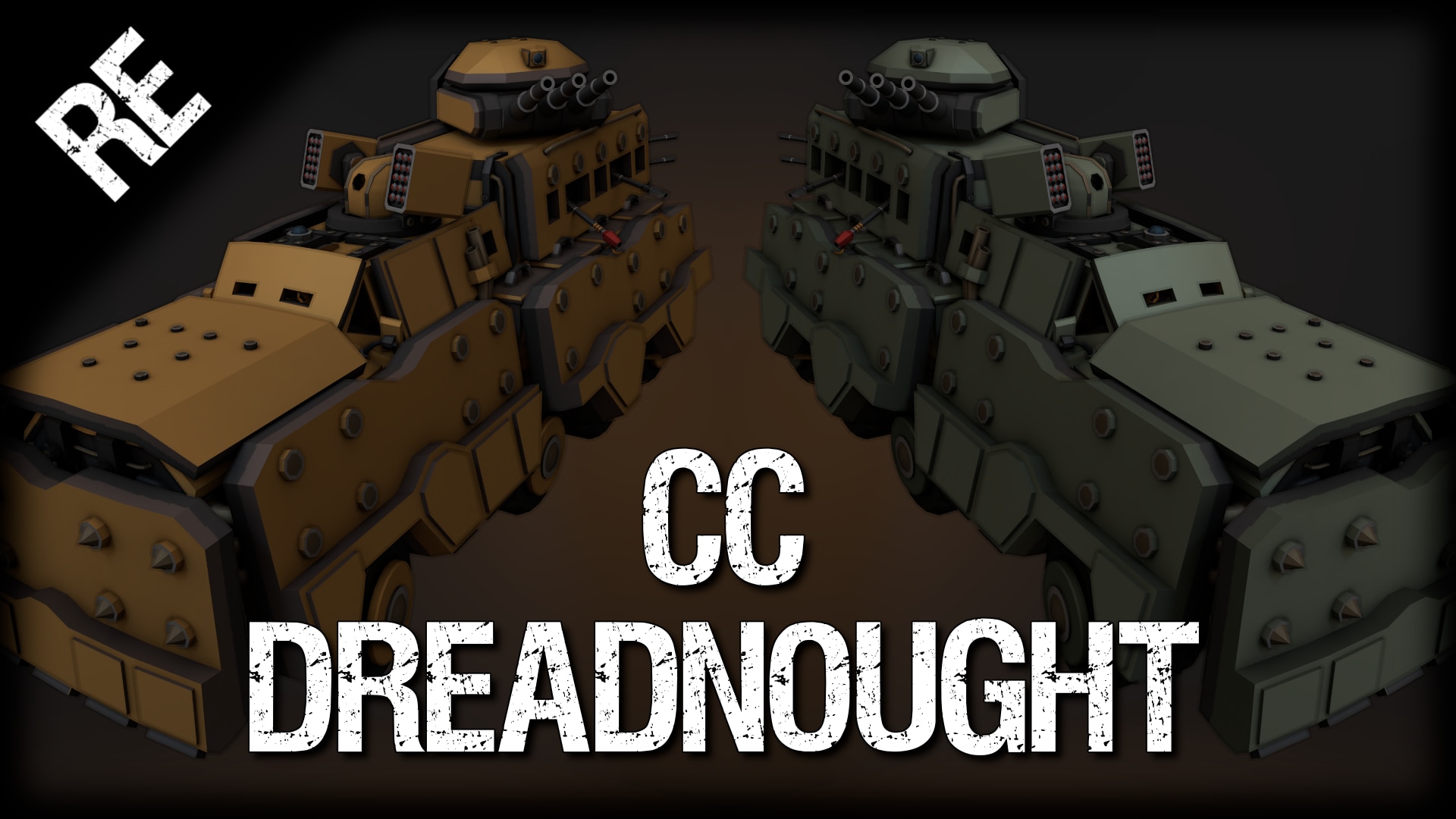
The CC Dreadnought represents the heavier end of the project: a large, faction-defining vehicle built more as a battlefield set piece than a small functional prop.
Outcome
Reclamation Eden taught me how quickly a modding project can grow from content production into worldbuilding, tool use, publishing, community management, support, and long-term maintenance. The strongest parts of the project were the same parts that made it expensive to keep alive: a shared fiction, connected assets, large vehicles, map context, technical experiments, and an audience that expected updates.
The project is now archived. I was no longer able to combine professional life with the scope and upkeep Reclamation Eden needed. I still see the project as valuable portfolio work because it shows how I think across disciplines: visual design, gameplay role, technical implementation, audio, player feedback, and public release all had to meet in one playable package.